Kindly introduce yourself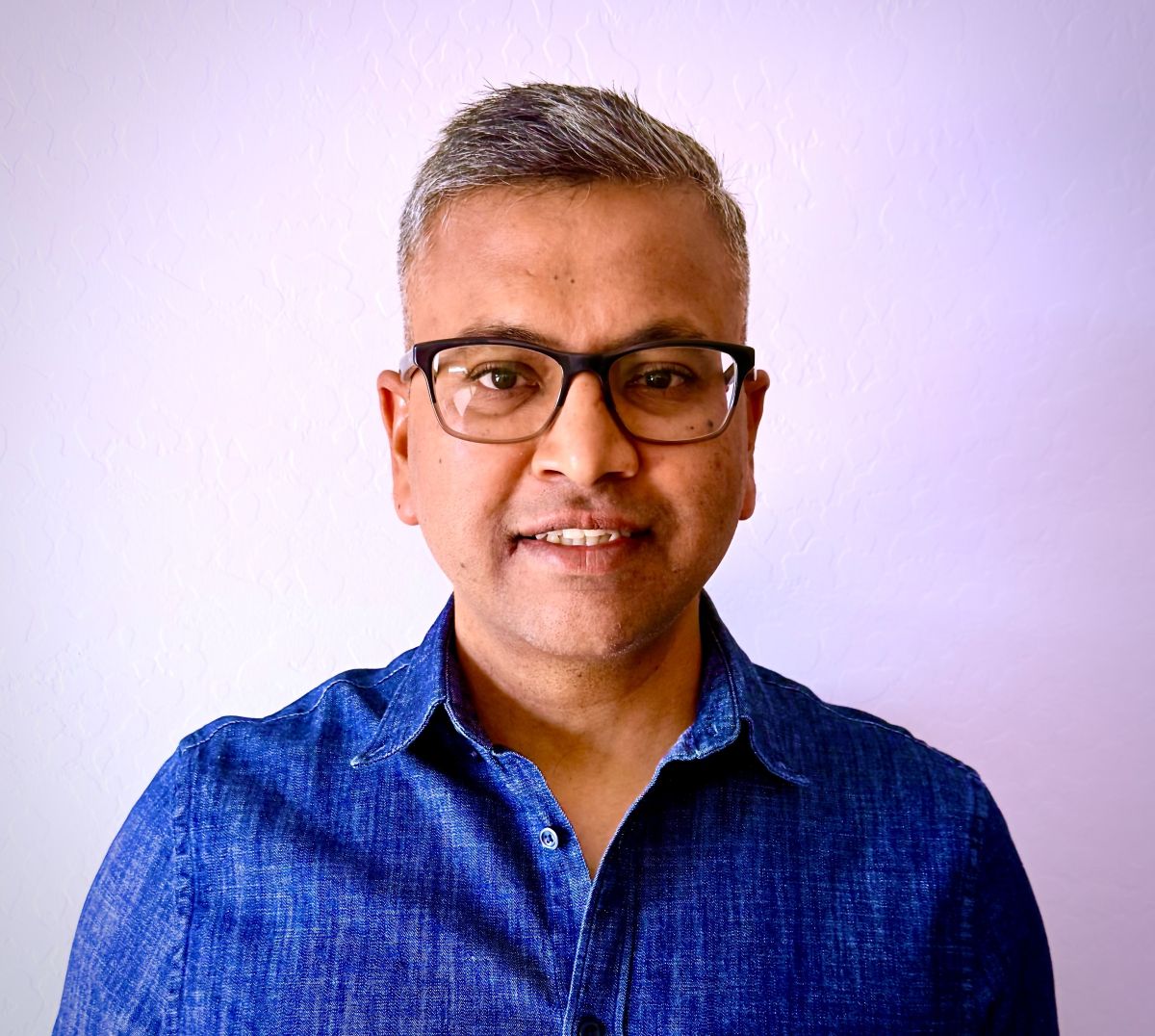
Hello, my name is Vishal Gobhil, and I am a Senior Process Development Engineer at Fairlife, part of The Coca-Cola Company. I have been working in the food and beverage industry for nearly 20 years. Over that time, I’ve had the opportunity to contribute across multiple organisations, including Kerry Inc. and FrieslandCampina, building a strong foundation in process engineering, utilities, and large-scale project delivery. I enjoy turning complex challenges into scalable, real-world solutions.
What is your job and what does it entail?
My role focuses on the design and execution of large-scale manufacturing projects, including both greenfield and brownfield facilities. This includes developing process systems, utilities, and building infrastructure, and supporting projects from early design through commissioning and into full operational readiness, including extended shelf life and aseptic validation. A key part of my role is not just the technical design, but aligning cross-functional teams (engineering, operations, quality, and site leadership) to ensure projects are delivered in a way that is safe, operable, and scalable for long-term needs.
In addition to capital projects, I lead a team of process engineers supporting plant activities such as commissioning, ramp-up, and troubleshooting. I also support continuous improvement initiatives, particularly in areas such as sustainability and water usage reduction, helping drive both operational efficiency and broader environmental goals.
What are the key challenges and opportunities in your role, and what have you learned?
One of the defining characteristics of my role is the pace and scale at which we operate. This creates a level of complexity that requires clear prioritisation, strong collaboration, and the ability to make decisions in situations that are often ambiguous or evolving. At the same time, this environment provides significant opportunities to take ownership of large, impactful initiatives and to influence outcomes beyond a single discipline. One of the most rewarding aspects of my work is seeing a facility or system come online and consistently delivering a high quality product. It reinforces the importance of thoughtful design and strong execution. A key lesson I’ve learned is that successful projects are built on alignment, bringing the right people together, encouraging open discussion, and then driving toward execution with clarity and accountability.
Do you have job satisfaction?
Yes, very much so. I am motivated by working on complex challenges and being part of teams that are building something meaningful. The combination of technical problem solving, collaboration, and visible outcomes makes the work both engaging and rewarding.
What is the possible career progression in your role and in the food industry?
The food industry offers a wide range of career paths, and progression is often shaped more by mindset than by a predefined path. From an engineering perspective, individuals can continue to grow as technical specialists or expand into broader leadership roles that involve cross-functional influence and strategic decision-making. In my experience, progression comes from a willingness to take on challenging assignments, continuously learn, and contribute beyond your immediate scope.
What are the benefits of collaboration, teamwork, and mentoring?
The food industry relies heavily on collaboration. Delivering a safe, high-quality product requires multiple functions, such as supply chain, quality, manufacturing, safety, and engineering, to work in close alignment. Since food products are directly consumed, the expectations around quality and reliability are high, making teamwork essential.
Mentorship is also a critical component of growth. I believe it is important to both seek mentorship and provide it. Strong mentorship helps accelerate learning, provides perspective, and builds confidence in decision-making.
What are the relevant professional bodies and their benefits?
There are several well-established professional organisations in the food industry, including the Institute of Food Science and Technology (IFST) and the Institute of Food Technologists (IFT), as well as more specialised groups such as the Institute of Thermal Processing Specialists (IFTPS), the International Dairy Foods Association (IDFA), Food and Beverage Environmental Conference (FBEC), and Water Environment Federation (WEF). Active participation in these organisations provides opportunities to build networks, share knowledge, and stay informed on emerging trends and challenges. They also help develop broader skills such as communication and leadership. Beyond that, they offer a valuable platform to engage with peers and contribute to the advancement of the industry.