How did you start your career in the food industry and what motivated you to join?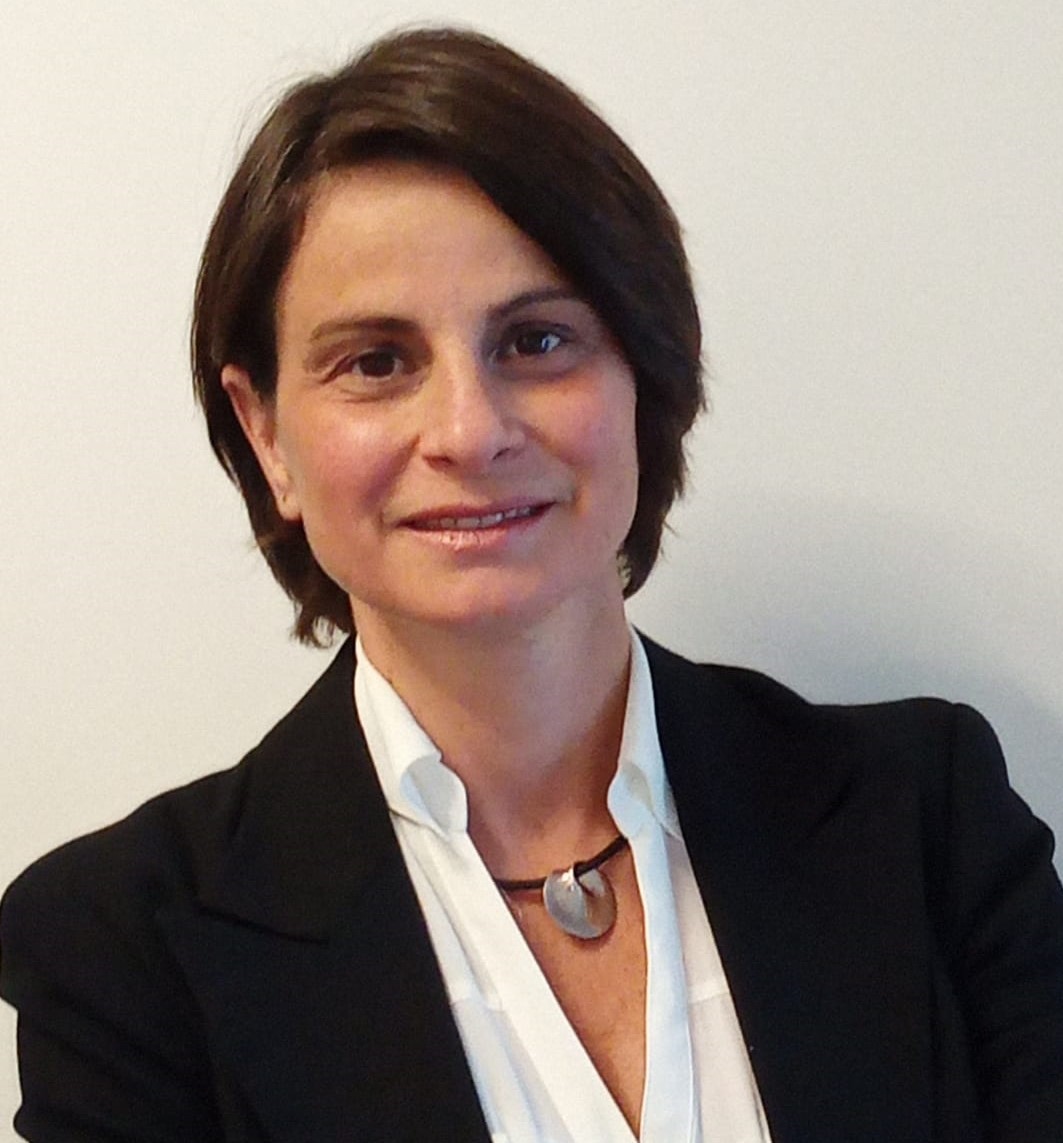
I began my career in the food industry through airline catering with the internationally renowned company Albert Abela Inflight Catering while completing my MSc in Nutrition and Dietetics. Although I had early exposure to hospital catering, I realised the healthcare environment wasn’t where I saw my future. Joining airline catering was a turning point; I was fascinated by the scale, pace, and precision required to deliver consistent quality in a highly complex operation. I began as a purchasing executive during a major organisational reform, often working closely with cross-functional teams to support airline audits and inspections. Observing, on one occasion, the meticulous inspections conducted by KLM had a truly lasting impact on me, not merely as a matter of compliance, but in highlighting the responsibility inherent in every detail. It strongly resonated with my naturally disciplined mindset and my belief that everything we do should be firmly anchored in ethics, responsibility, and respect for the end consumer. This experience was an eye-opener to how sensitive food operations are to error and ultimately shaped the direction of my career. I later built on this foundation through senior commercial and quality roles across international restaurant brands, food manufacturing and contract catering, including Hard Rock Café and Sodexo.
How did you decide on Regulatory Affairs (RA)?
My decision to move into the regulatory field developed gradually through practical exposure rather than a single planned choice. During my PhD research on fresh produce safety, I examined the factors contributing to contamination and mishandling across the supply chain, which required a deep understanding of regulatory frameworks, legal mandates and enforcement mechanisms. This interest was further strengthened through international forums, particularly with the introduction of the Food Safety Preventive Controls Alliance’s PCQI (Preventive Controls Qualified Individual) curriculum, which supports industry compliance with the USA’s Food Safety Modernization Act (FSMA) preventive controls. From that point onwards I became a lead instructor for FSMA-related specialised programmes. In parallel, my research and scientific engagements on water reuse for irrigation in fresh produce safety required continuous engagement with relevant EU and US policies and regulations. All these experiences embedded regulatory thinking into my professional and scientific work, driving me to further expand my knowledge and expertise in regulatory requirements and to take on regulatory compliance consultancy and academic roles in this field.
Would you choose to go into the same field again?
Yes, I would. This is a field grounded in principles, rights and scientific integrity, which closely aligns with how I live and work. I am driven by values, i.e. ethics, transparency and respect for equality, and I do not compromise on these principles which makes my work so meaningful and purposeful. In today’s complex world, science, supported by robust regulation and ethical frameworks, serves as a compass for responsible decision-making. When it comes to something as fundamental as food and public health, these principles continue to motivate me, not only in my professional practice, where I contribute to translating those principles into practice, but also in my commitment to teaching and sharing this knowledge with others.
What is the main purpose of regulatory affairs to you?
The primary purpose of regulatory affairs is to protect consumers by ensuring that food placed on the market is safe, correctly labelled and not adulterated or misleading. This principle is entrenched in regulatory systems that consistently place responsibility for food safety on food business operators. In the context of increasingly complex global supply chains, regulatory affairs play a vital role in ensuring that businesses understand, implement and comply with applicable laws and standards, in both domestic and export markets. In doing so, they go beyond a narrow compliance role and instead lead a mission to support public health protection, fair trade, regulatory compliance and the prevention of enforcement actions, costly recalls and border rejections.
Why did you join IFST and how did you get involved in the Food Regulatory Special Interest Group (SIG)?
I joined IFST in 2014 to stay current with developments in food science and to engage with a professional body that offers both continuous learning and credible professional recognition. Through IFST I achieved professional recognition, including Registered Food Safety Professional and Registered Professional Food Auditor and Mentor. I also served on the IFST Membership Assessment Panel from 2016 to 2019. My involvement in the Food Regulatory SIG was driven by its dedicated focus on food regulation. As with all areas of food safety, regulatory knowledge is cumulative and strengthened through shared expertise. I was keen to engage with diverse perspectives, contribute to informed discussion and continue developing my understanding of the regulatory landscape through collaboration with peers in the field.
What do you think the big challenges are for industry in the next few years?
One of the challenges will be adapting to rapid technological advancement while meeting increasingly stringent regulatory expectations. Digitalisation, Artificial Intelligence (AI) and advanced traceability solutions offer significant opportunities to strengthen food safety, fraud prevention and supply chain transparency. However, these same developments may disproportionately challenge Small and Medium-sized Enterprises (SMEs), which often face constraints in resources, infrastructure, and regulatory capacity. From a regulatory perspective, expanding global trade and longer, more complex supply chains are driving stronger requirements around traceability, due diligence and accountability. Initiatives, such as FSMA’s Traceability Rule, increased focus on food fraud mitigation and evolving EU sustainability, and due diligence regulations will require businesses to demonstrate greater visibility and control across their supply chains. Supporting SMEs in meeting these regulatory and technological demands will be critical to achieving fair, resilient and transparent global food systems.
How do you think regulatory affairs will change in the next 10 years?
This is an evolving field as legislation and policies are founded on informed science. While legislation continues to be shaped by advances in science, data availability and risk-based approaches, regulatory requirements will continue evolving, maybe more rapidly, requiring businesses to respond with greater agility. As with many disciplines, regulatory affairs will benefit significantly from digitalisation, data analytics and emerging technologies. For industry, this means a growing need to operationalise regulation more effectively by translating regulatory expectations into practical, implementable systems, such as enhanced traceability, data-driven risk assessments, supplier verification programmes and real-time monitoring tools. Regulatory affairs will play a key role in integrating these requirements across quality management systems, product development, procurement and supply chain management, supporting both compliance and operational resilience.